158660
Książka
W koszyku
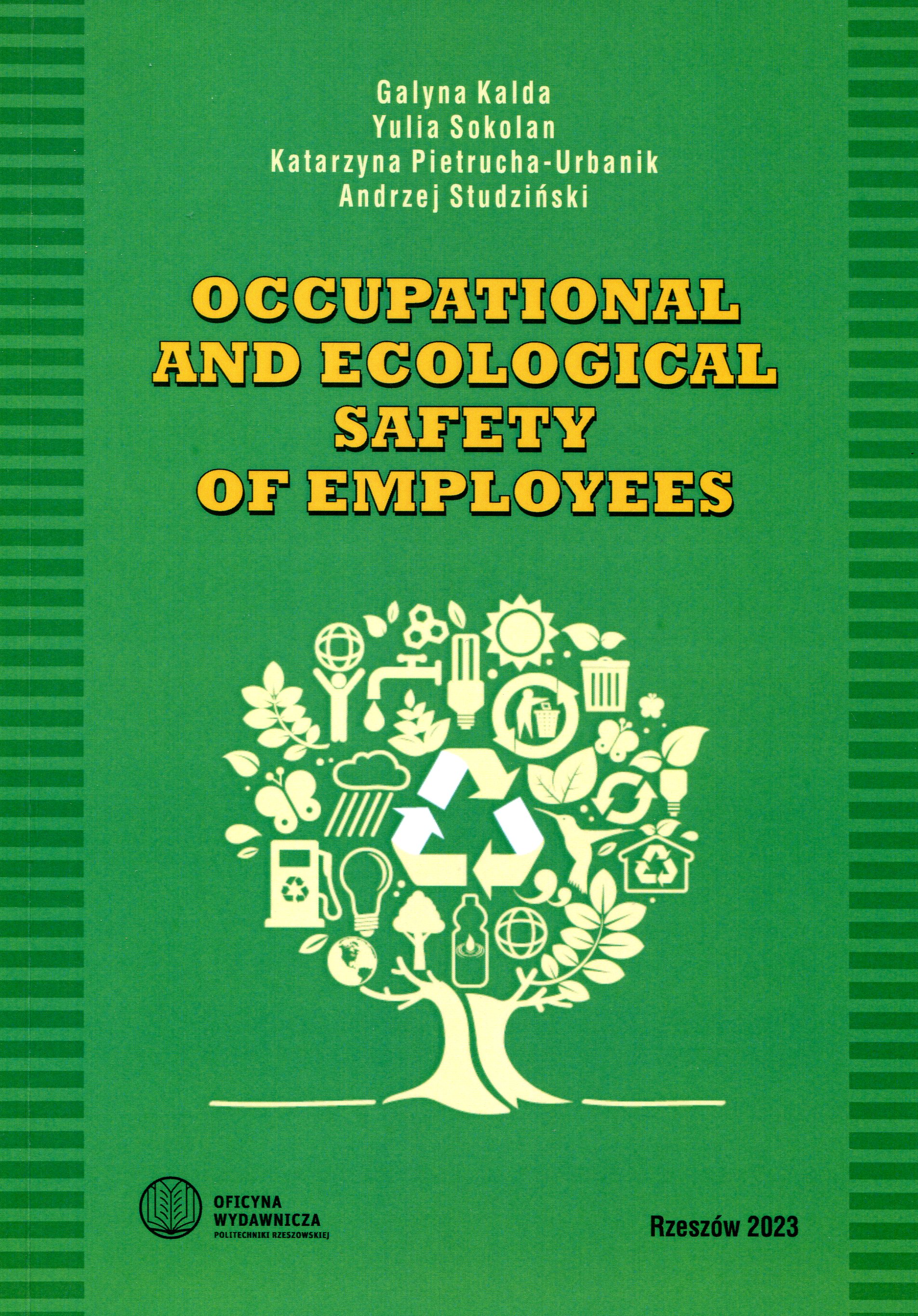
1.BASICS OF OCCUPATIONAL SAFETY 2.1.Occupational Sanitation and Hygiene 2.1.1.Work Area Microclimate 2.1.1.1.Biological Effect of Microclimate Parameters 2.1.1.2.Meteorological Standards 2.1.2.Airborne Contamination 2.1.2.1.Biological Effect of Airborne Contaminants 2.1.2.2.Airborne Contaminant Exposure Standard 2.1.3.Ventilation Systems 2.1.3.1.Natural Ventilation 2.1.3.2.Mechanical Ventilation 2.1.3.3.Ventilation System Requirements 2.1.4.Heating Systems 2.1.5.Illumination of Work Areas 2.1.5.1.Biological Effect and Technical Light Characteristics 2.1.5.2.Requirements for Work Area Illumination 2.1.5.3.Types of Illumination of a Work Area 2.1.5.4.Natural Illumination 2.1.5.5.Artificial Illumination 2.1.5.6.Artificial Illumination Standards 2.1.5.7.Methods for Artificial Illumination Design 2.1.6.Protection From Noise and Vibration 2.1.6.1.Physical Characteristics of Noise 2.1.6.2.Noise Exposure Standards 2.1.6.3.Noise Control 2.1.6.4.Infrasound 2.1.6.5.UltraSound 2.1.6.6.Vibration Exposure 2.1.6.7.Vibration Control 2.2.Electrical Safety 2.2.1.Biological Effect of the Electric Current 2.2.2.Types of Electrical Injuries 2.2.3.Why Electric Injury Can be Fatal 2.2.4.Basic Factors Resulting in Electric Injury 2.2.5.Causes of Electrical Injuries 2.2.6.Assessing Risk Associated with Operating Power Facilities 2.2.6.1.Danger of a One-Phase Power Line 2.2.6.2.Danger of a Three-Phase Power Line with Insulated Neutral 2.2.6.3.Danger of a Three-Phase Power Line with Grounded Neutral 2.2.7.Electrical Safety Systems 2.2.7.1.Technical Protective Systems Applied to Power Plants in Normal Operation 2.2.7.2.Technical Protective Systems Applied to Power Plants in Emergency Operation 2.2.8.Electrical Personal Protective Equipment 2.2.9.First Aid for Electrical Injuries 2.3.Occupational Safety Regulations 2.3.1.Protection from Atmospheric Electricity. Lightning-proof Categories and Zone Types 2.3.2.Lightning-proof Installations 2.4.Fire Safety Systems 2.4.1.Fire Safety 2.4.2.Installations of Automatic Fire Detectors 3.OCCUPATIONAL HEALTH AND SAFETY AT WORK WITH A COMPUTER 3.1.Regulatory and Legal Support for the Occupational Safety of PC Users 3.2.Ergonomics of PC User Workbench 3.3.Safety Rules for Computer Operators 3.3.1.Visual Overloading 3.3.2.Overexertion in the Skeletal-Muscle System 3.3.3.Skin Irritation 3.3.4.Central Nerve System Lesion 3.3.5.Effects on Reproductive Function 3.4.Occupational Safety Standards for Computer Workplace 3.5.Preventive Healthcare 3.5.1.Medical Examination 3.5.2.Nutrition 3.5.3.Psychological Relaxation 4.LIFE SAFETY 4.1. Ergonomie and Psychological Basics Of Safety 4.1.1.Ergonomie Basics of Safety 4.1.2.Psychology of Safety 4.2.Environmental Health 4.3.Hazards of Drug Addiction and Toxic Substance Abuse 4.4.Alcohol and Nicotine as Harmful Factors 4.5.Risk of Acquired Immunodeficiency Syndrome (AIDS) 4.6.Environmental Risks 4.6.1.Exhaustible and Inexhaustible Natural Resources 4.6.2.Atmospheric Air Protection 4.6.3.Water Resources Protection 4.6.4.Protection and Rational Use of Ground and Bowels 4.6.5.Anthropogenic Impact on the Environment in Form of Energy Contamination 4.6.5.1.Thermal Containment 4.6.5.2.Acoustic Containment 4.6.5.3.Electromagnetic Containment 4.6.5.4.Ionizing Containment 4.7.Nitrates and Human Health Effects 4.8.Safety in Emergency Situations 4.9.Causes of an Emergency Situation, its Origin, Stages of Development and Hit Site 4.10.Classification and General Characteristics of Emergency Situations 4.11.Fire as an Antropogenic Catastrophe. Organization of Fire Protection 4.11.1.Fires and Causes 4.11.2.Fire-Prevention Organization in Industry 4.12.Firefighting 4.13.Fire Alarm and Communication System 4.14.First Aid Emergency 4.15.First Aid for Injuries 5. ENVIRONMENTAL SECURITY 5.1.General Concepts of Environmental Safety 5.2.Environmental Security as a Component of the National Security of the Country 5.3.Environmental Security in International Relations 5.4.Main Regularities in the Formation of Regional Environmental Hazards 5.5.The Main Methods of Quantitative and Qualitative Assessment of the Level of Industrial and Environmental Hazards 5.6.Standardization and Regulation in the Field of Environmental Safety 5.7.Environmental Safety Requirements for the Planning and Development of Areas 5.8.Environmental Safety Requirements for Food and Agricultural Products
Pliki multimedialne:
Status dostępności:
Wypożyczalnia
Są egzemplarze dostępne do wypożyczenia: sygn. 155234 N (1 egz.)
Strefa uwag:
Uwaga dotycząca bibliografii
Bibliografia, netografia, wykaz norm na stronach 152-156.
Uwaga dotycząca przeznaczenia czytelniczego
Dla studentów wydziału budownictwa, inżynierii środowiska i architektury kierunku inżynieria środowiska.
Pozycja została dodana do koszyka. Jeśli nie wiesz, do czego służy koszyk, kliknij tutaj, aby poznać szczegóły.
Nie pokazuj tego więcej

Deklaracja dostępności